
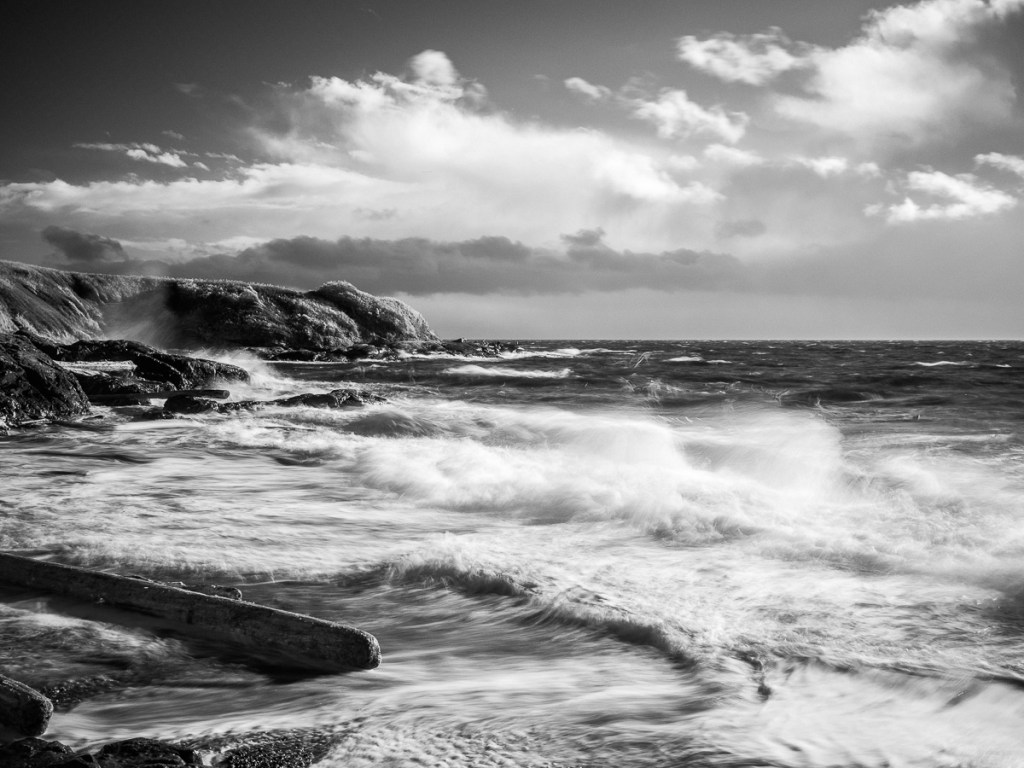
Black and white infrared photography
It’s that time of year when I think about the photography that I have been making for the past year. In particular, my personal photography. Work photography has slowed down enough for me to both get out to photograph personal projects and to review images from the past year.
One of the trends for me in the past two years has been to take more infrared photos, either with a 720nm filter attached to my lens or, more recently, with a IR converted X-T2 (also 720nm). The filter option allows me to use whichever lens/camera combination I have available. Due to the reduction in the amount of light that filter lets in, these photos are long exposures by necessity. So aside from the light spectrum shift, I will also have the effects of a long exposure too. Using the converted X-T2 means that I can expose for whatever the conditions demand, without the need to make a long exposure and use a tripod.
I will leave you to read more about the various options for IR filters and camera conversions. In my case, the intention is to end up with a black and white image, hence the 720nm filter/conversion. With this setup, I end up with an image that still requires some adjustments to get rid of the red cast and to achieve the desired level of contrast. Bright, sunny days, with lots of shadows are my preferred conditions for making IR photos. In particular, I love very blue skies and water, which can go nearly black, along with interesting clouds, which will be extremely bright. Of course, green foliage will also become nearly white, making for a some interesting landscapes. Since I spend more time around the water, foliage plays a relatively small part in my IR photos.
If you want to eliminate all colour from your photos, then a “deep” black and white option is a 830nm filter/conversion. My friend Randy Wachtin is particularly adept at this type of photography.
As I mentioned above, I love the extreme contrast possible under the right conditions. It is the spectrum of light (and dark) that I want to achieve in black and white photography.
Here are some samples of infrared images captured over the past couple of years.
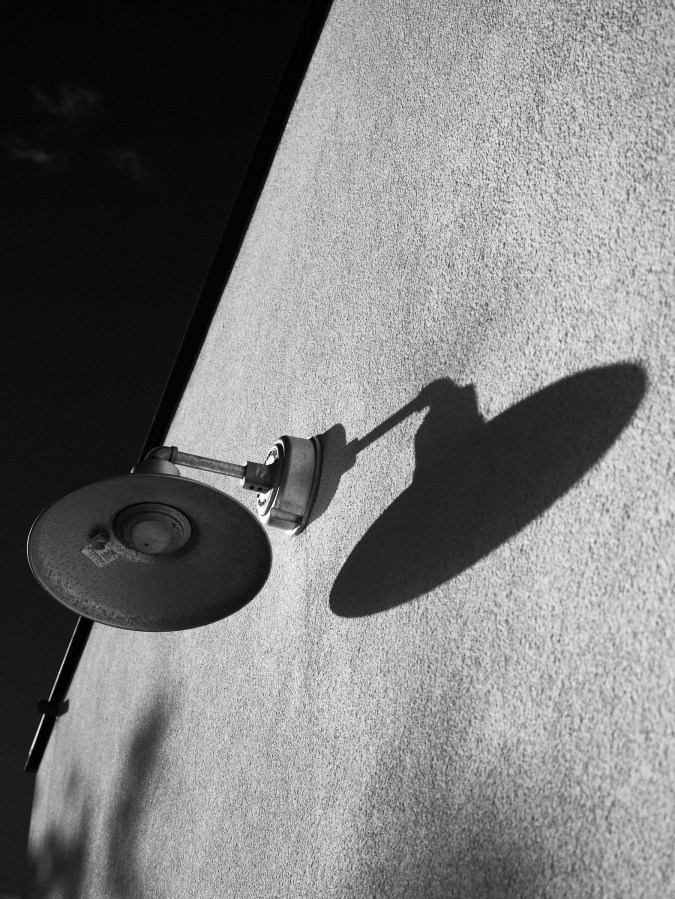
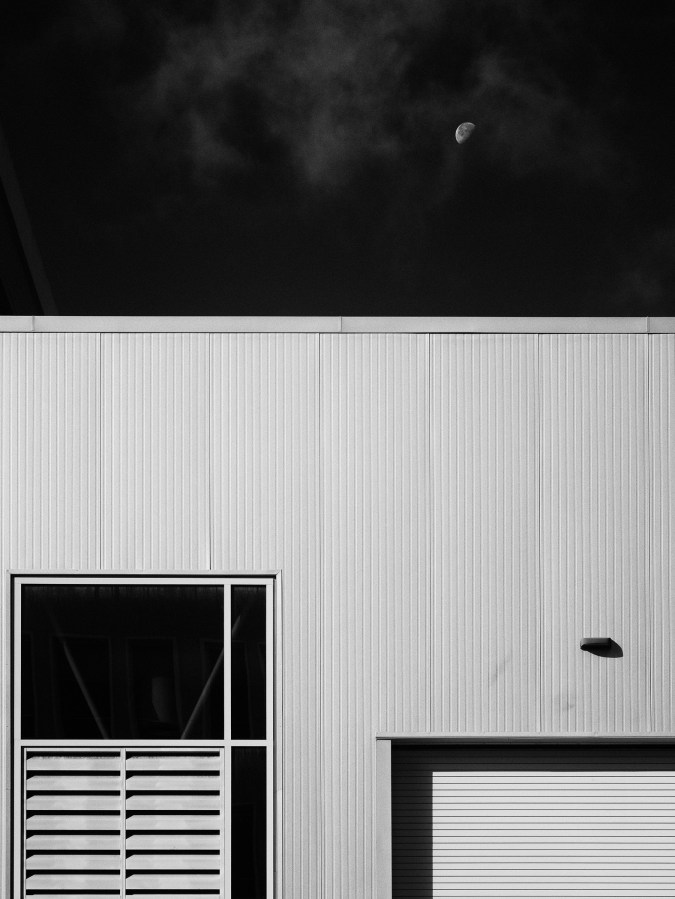
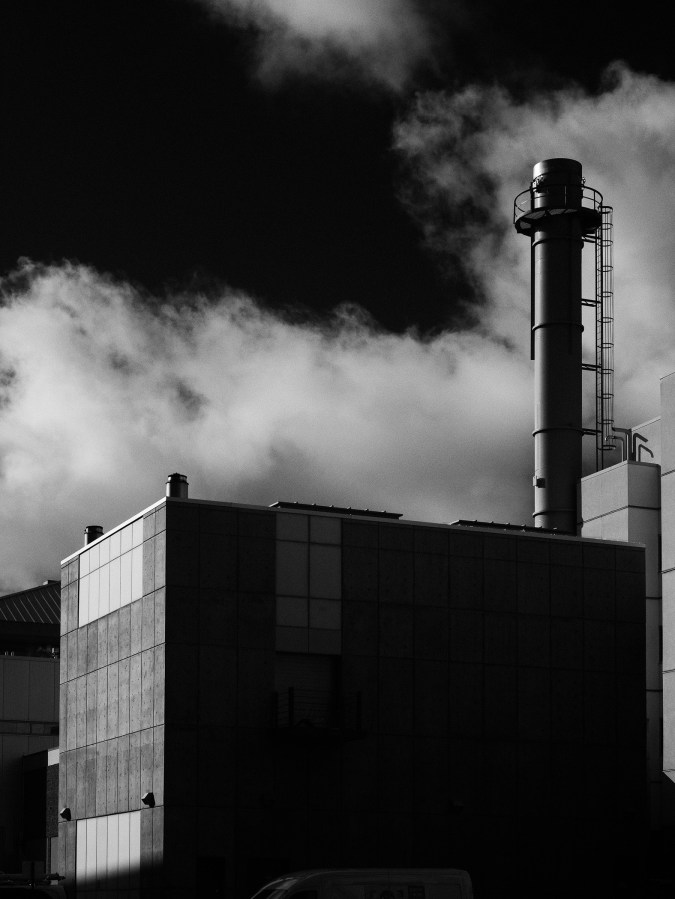
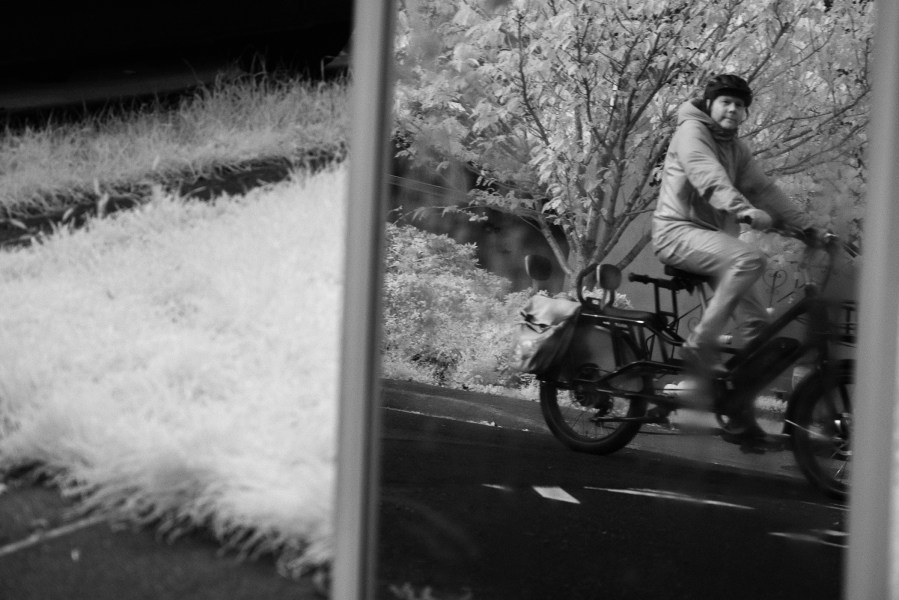


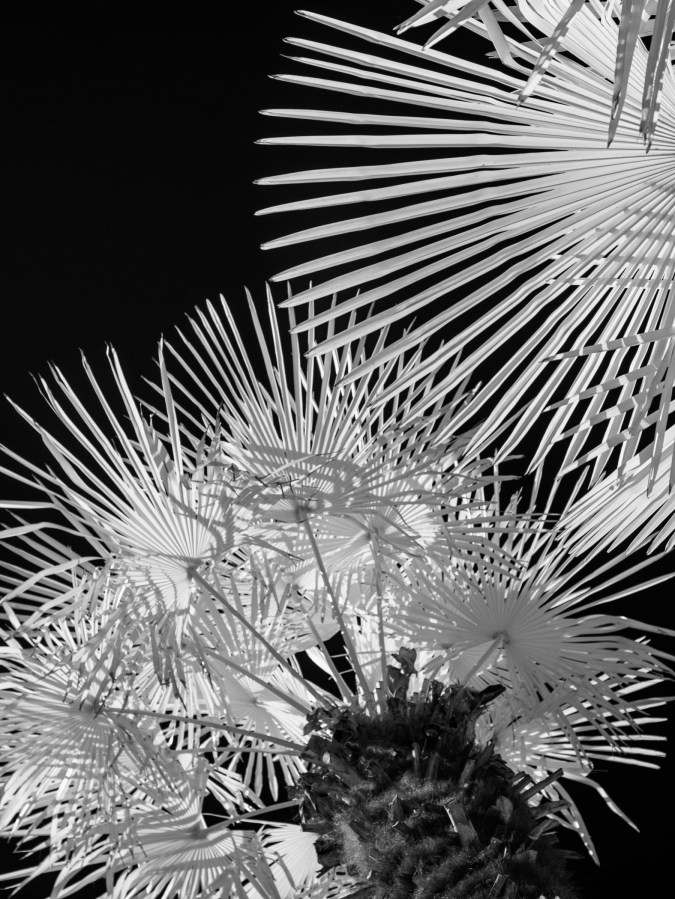

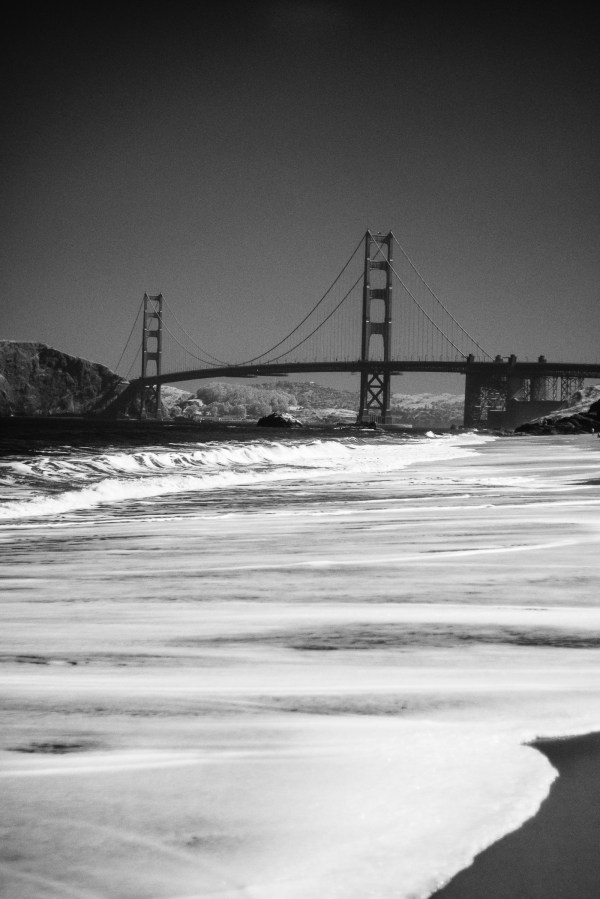
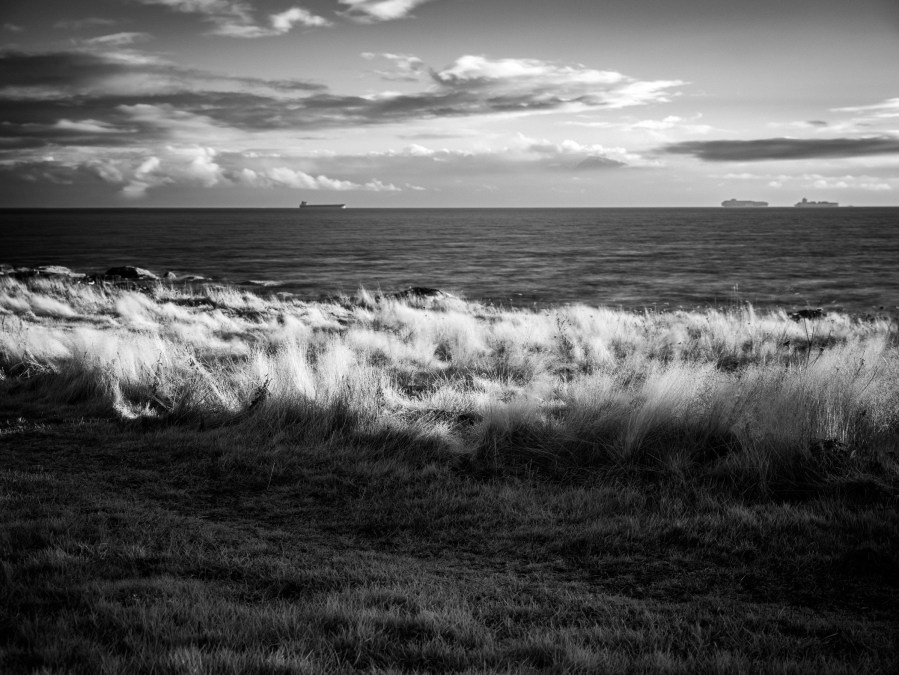
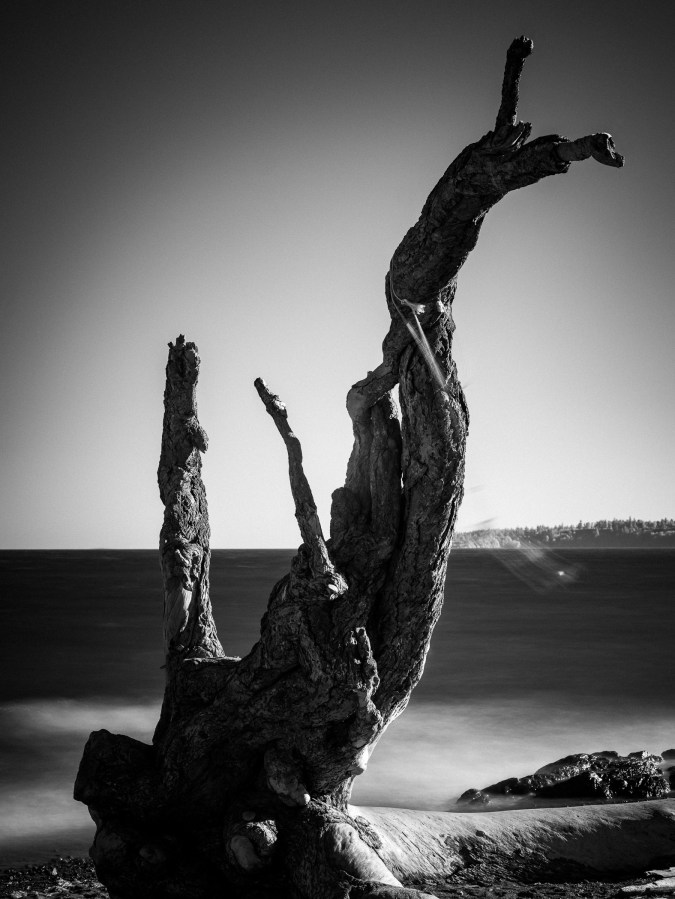


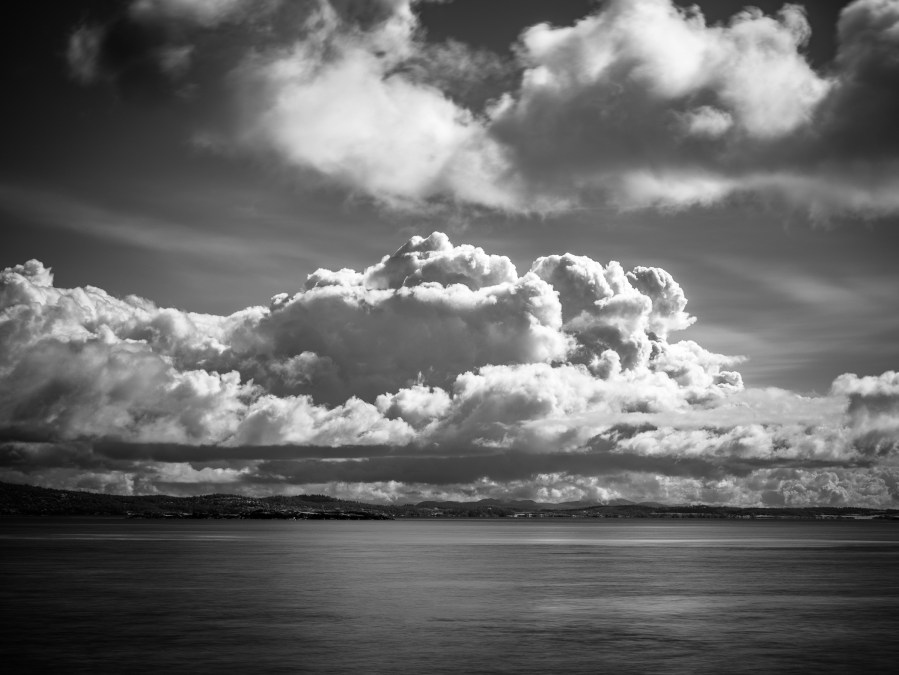


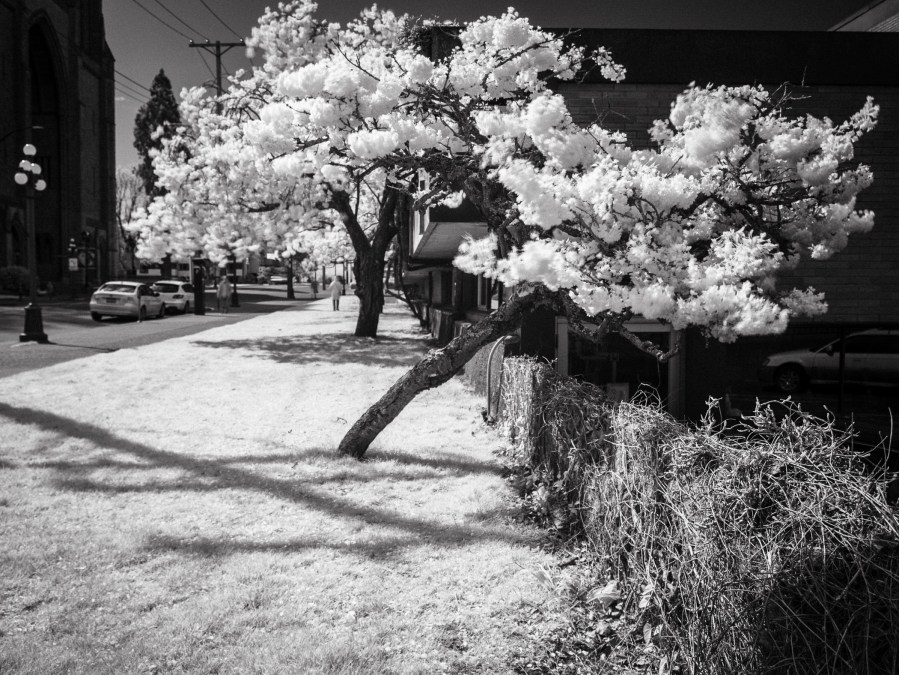
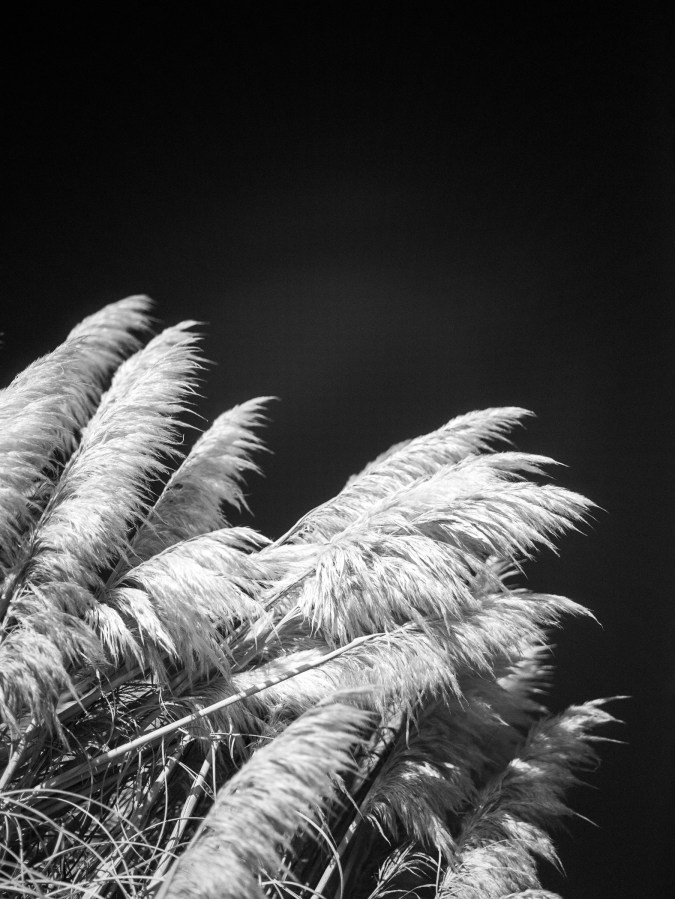
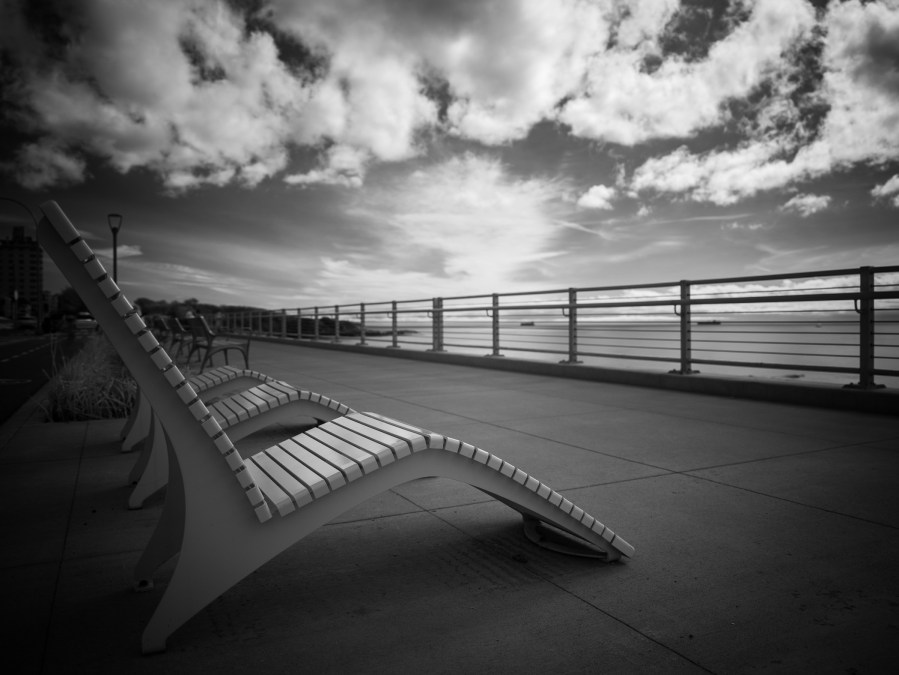
NB: Images captured with a variety of Fujifilm cameras and lenses, fronted with a 720nm filter or a IR converted X-T2 with a variety of XF lenses. The conversion on the X-T2 was performed by Night Sky Camera.
 DON CRAIG photography
4 responses to “Visible Spectrum”
Nice.
Thanks Jerry.
They are striking. The contrast of black and white wakes up my senses and I see more than I would in color–shapes, textures, angles, depth, and design. It’s creates a new dimension of seeing. Thank you.
Thanks for looking Robin!