

A refined Fujinon workhorse
Ten years ago, I wrote my first impressions of the original XF16-55mm f2.8 lens. At the time, I was on the fence about using a medium telephoto versus prime lenses. By 2018, I was using that lens for the majority of my work photography. At least 75% of my work photos since then have been made with that lens.
When Fujifilm announced the release of a successor to that lens at the end of last year, I put in my order immediately. I was convinced that the smaller, lighter lens with faster auto focus and better resolving power for the large sensor X-cameras would be a great upgrade. I am writing today to let you know if I was correct.
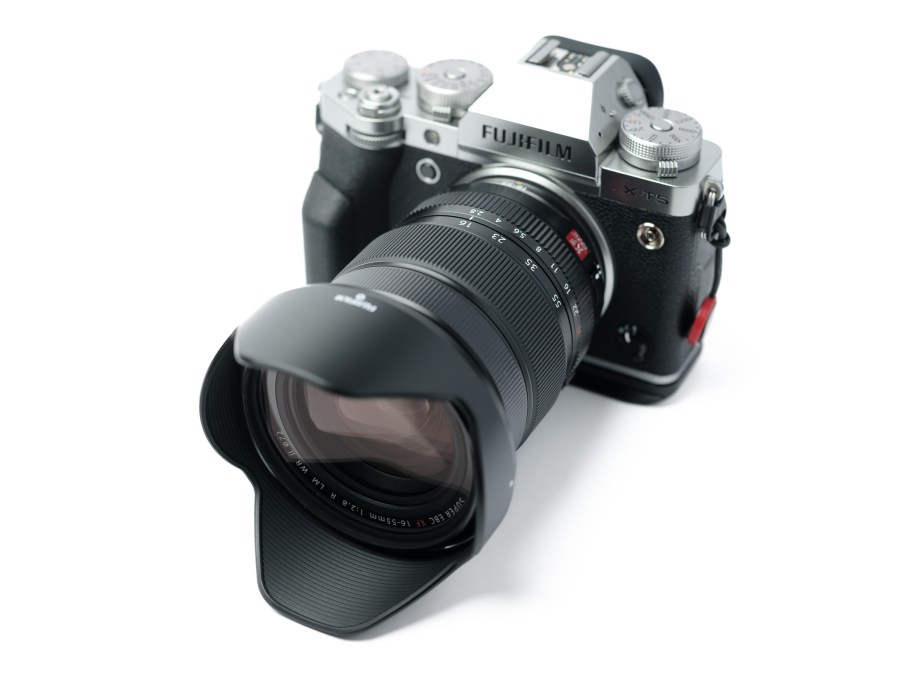
Before going into specifics about the new 16-55mm lens, let me say that this is not a comprehensive review. Rather, this is my take on the lens based upon how I use it. There are so many online reviews, you are certain to have already read or watched one or more by now. My impressions are based upon years of working with the original XF16-55mm f2.8 lens and how it compares to this new version.
Aperture ring, meh
First, I will get my unhappiness over the aperture ring out of the way. A feature of the new version is the de-clickable aperture ring. Intended for video shooters, this feature is not something that I expect to use while shooting stills. However, the feel of the aperture ring in the clickable setting has been made, well, worse. I like to feel the clicks as I change aperture, so that I know where I am without having to look. That feel has been greatly reduced in the new version. The clicks are barely noticeable and the aperture ring turns too easily, so that I have to look at it to confirm my settings. That makes me unhappy. OK. I got that off of my chest.
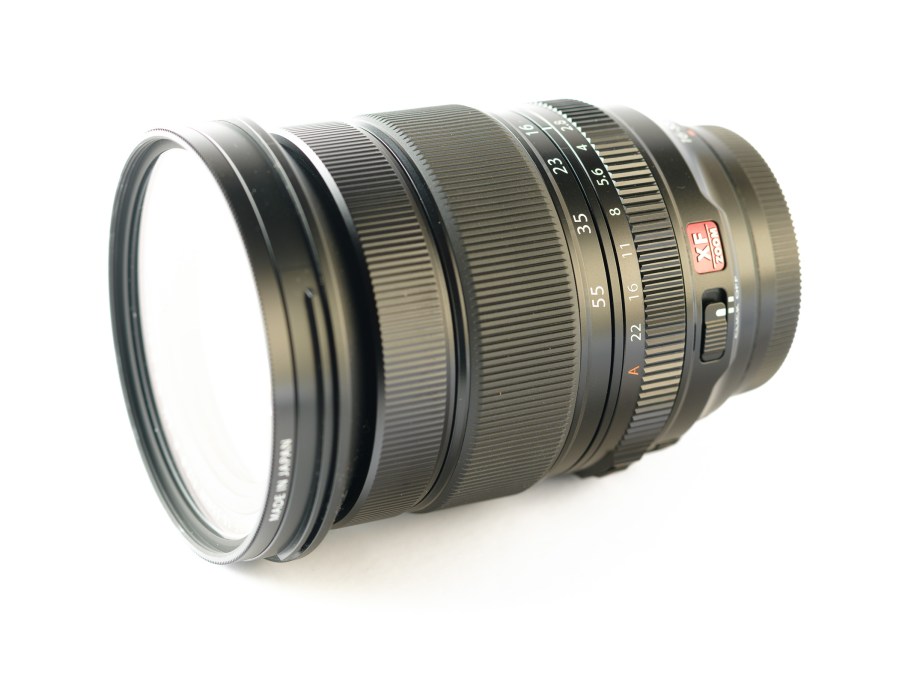
Image quality
As I mentioned above, I was expecting the XF16-55mm f2.8 II lens to resolve better on the large sensor of the X-T5 than its predecessor. I was also hoping that new lens would be sharper wide open, at f2.8. The new version does resolve well on the large sensor, slightly better than the old version. There is a noticeable improvement in sharpness at f2.8. In recent jobs, I have kept it at f2.8 most of the time, because the images are reliably sharp.
Auto focus
The new XF16-55mm f2.8 II lens has improved auto focus. It is noticeably faster than the old version. While using it for the first time on a job, I was repeatedly surprised to see that I had achieved focus nearly instantly. Not something that I was accustomed to. I was also able to focus in very low light reliably with AF-C or AF-S. With the old version of the lens, I would have to switch to AF-M and rely upon back-button focus in poor light. I suspect that the improved low-light focusing performance is due to improvements in the X-T5 firmware, as well as the new lens’ technology.
Size and weight
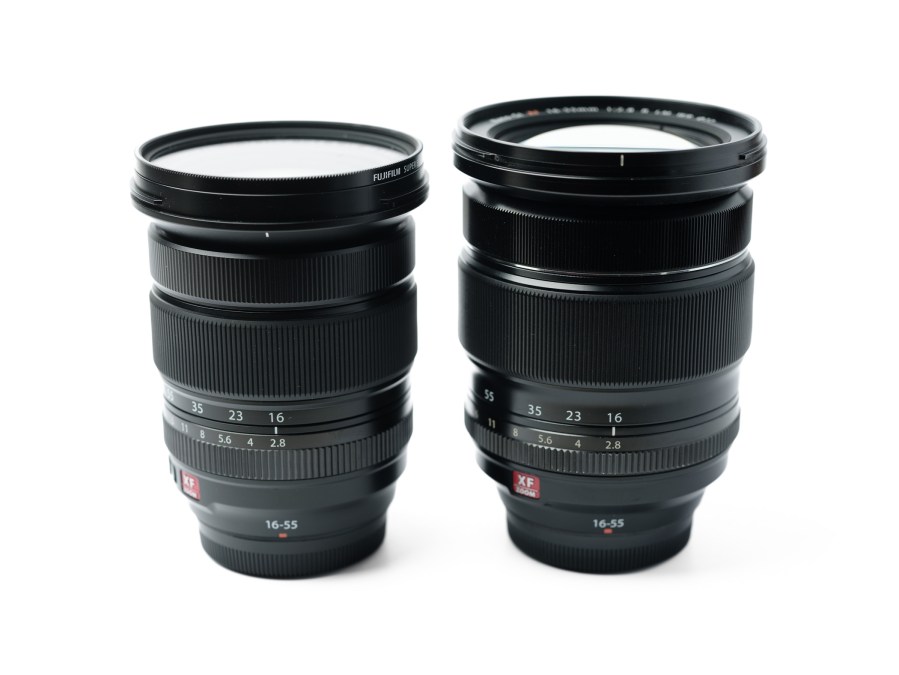
It goes without saying that having a smaller and lighter lens will always be a benefit when shooting for long periods. A typical job will last three to five hours, with me making hundreds and hundreds of images. Lifting and shooting with a lighter camera/lens combination that many times for so many hours is very welcome.
Final word
There you have it. A very straight-forward look at my most-used working lens. The refinements in the new XF16-55mm f2/8 II lens elevate it over the original lens, which was already a very great piece of glass. Improved image quality and auto focus, in a smaller and lighter lens, is a very positive, overall result. I just wish that the aperture ring had been left alone, but I can live with that.
Do I recommend the new version over the old version? The answer is a qualified “yes.” If you are buying an xf16-55mm f2.8 lens new, then get the latest version. If you already own the original xf16-55mm lens, then it depends. If you use the lens occasionally and/or the weight isn’t an issue, then stick with it. However, if you use this lens a lot, hefting it hundreds of time per use, then I recommend upgrading to the newer, lighter version. Of course, the subtle improvements in image quality and better auto focus might be enough reason to convince you as well.
Sample images




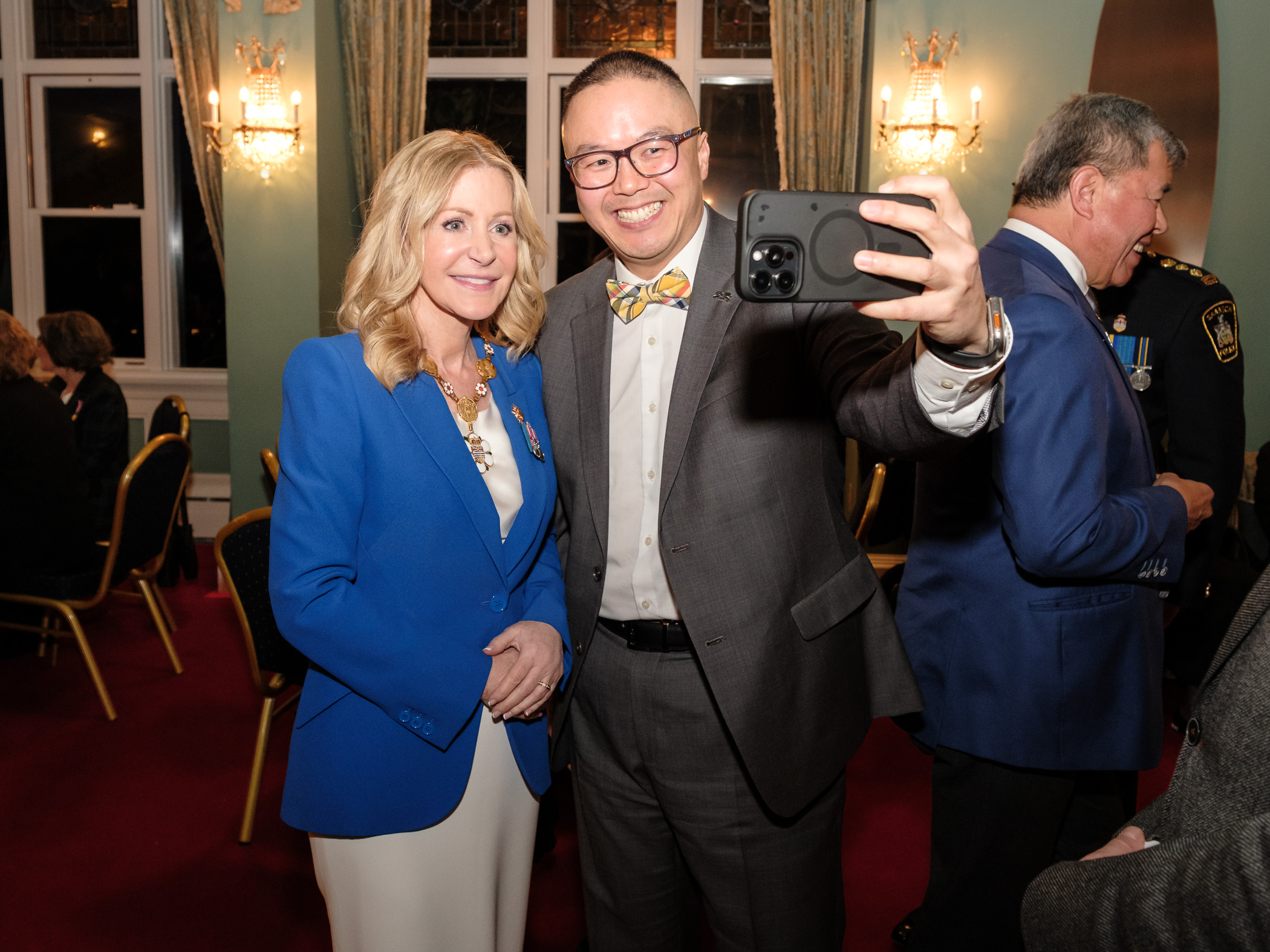






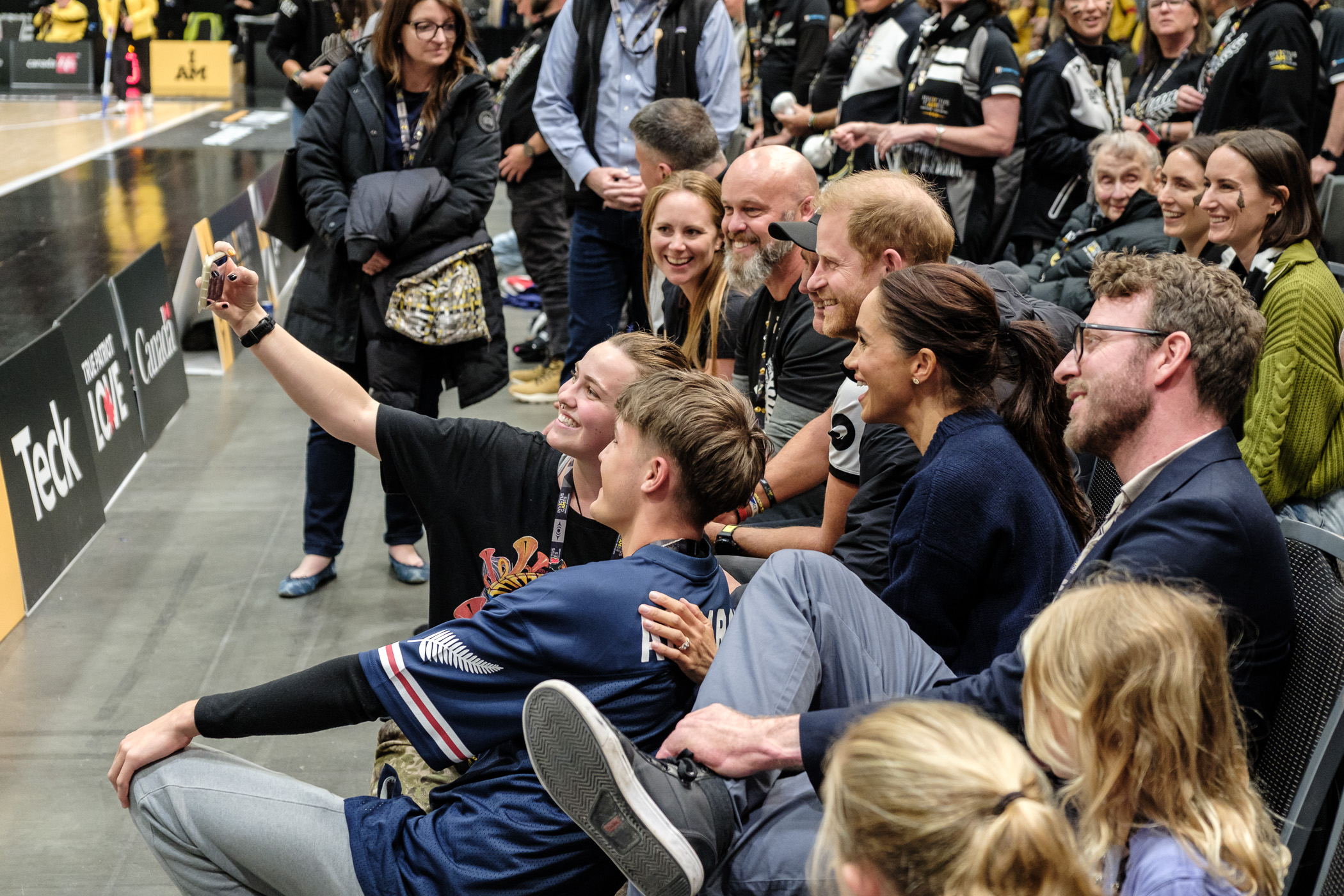







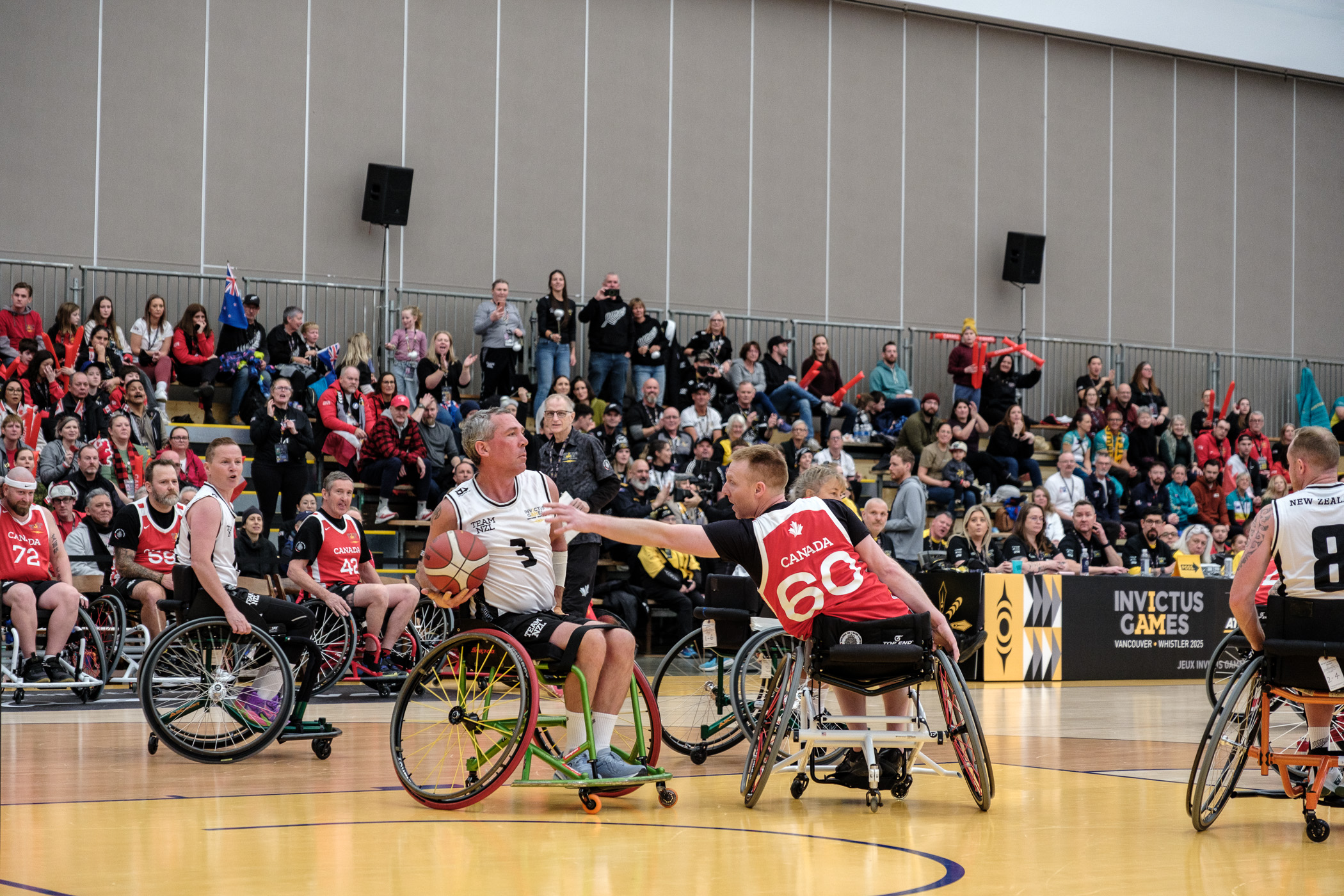

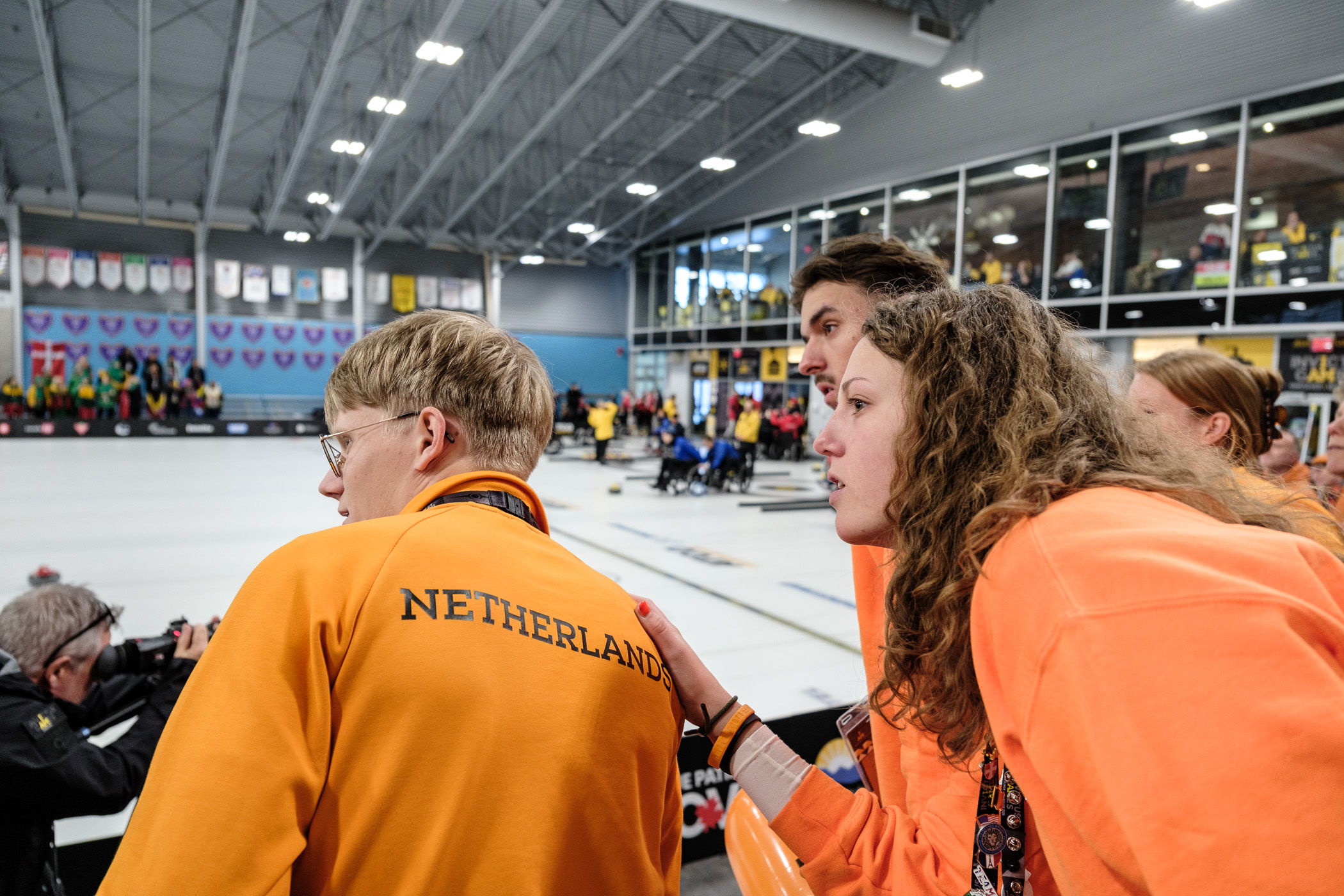




NB: Sample image are from a couple of work assignments, captured with an X-T5 fronted with the new Fujinon XF16-55mm f2.8 II lens.

 DON CRAIG photography