
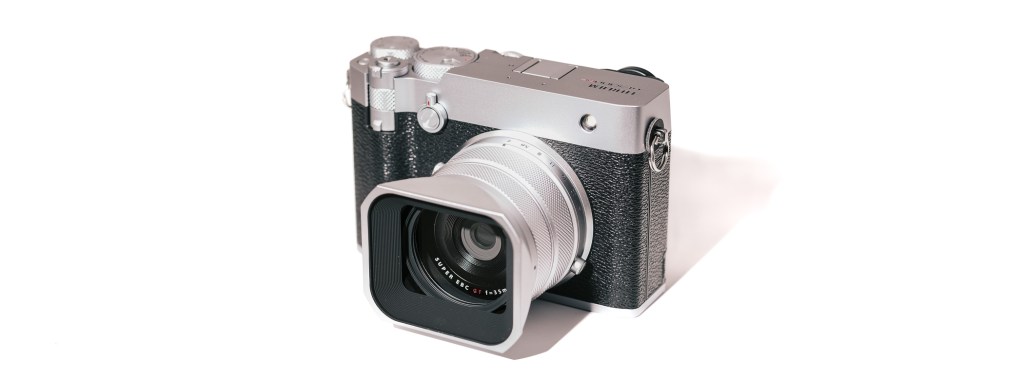
Are high-quality, flexibility and compactness enough?
A note on subjective reviews
It seems fair to establish my relationship with Fujifilm and my personal bias. I have photographed with Fujifilm cameras since 2012, which led to a short stint as an ambassador (Fujifilm X-photographer) for Fujifilm Canada. That relationship ended a number of years ago, however I continue to photograph with their cameras and lenses because I find them to be great for my work and personal photography. I purchase my own equipment and my views are in no way influenced by Fujifilm.
I have noticed a number of YouTube reviewers with videos about Hasselblad medium-format gear recently. Of note, these individuals were given the cameras and lenses in payment for making their videos. Curiously, in the videos I have watched, the reviewers have often highlighted deficiencies about which I found myself saying, “…but my GFX can do that.”
My point being, you should expect every reviewer to be biased. That bias might be based upon experience or it might be based upon being well paid.
The GFX100 RF
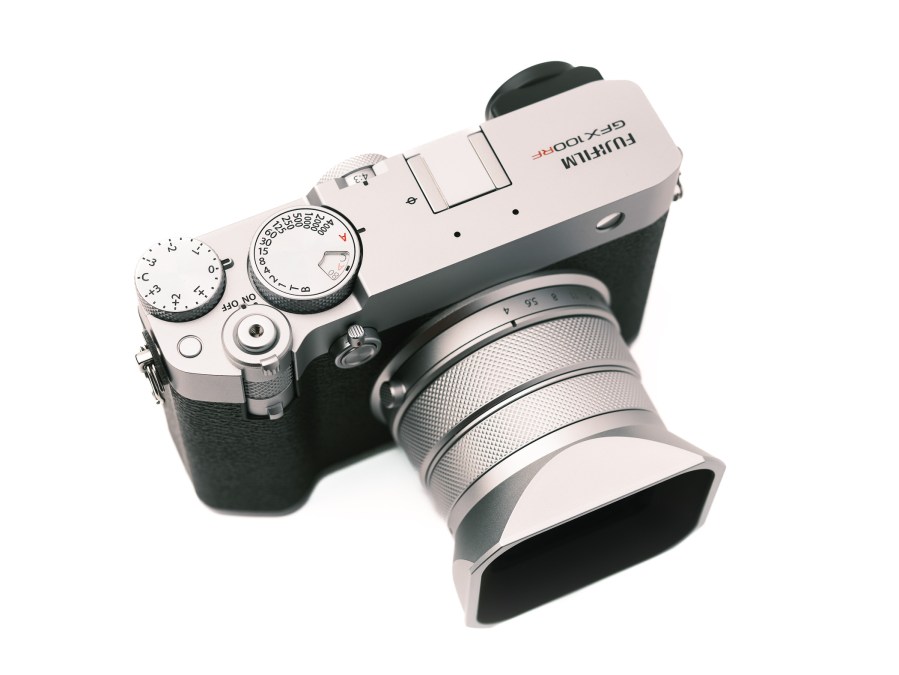
Initially, I was a little skeptical about purchasing the GFX100 RF, but I finally acquired the RF with the intent of using it for both personal and work photography. My scepticism stems from the obvious questions about what is this camera good for and do the design choices made by Fujifilm to create such a compact medium-format camera help or hinder me in my own photography.
Design


All design solutions are a series of compromises and choices. Cameras are no different. While I own and love the GFX50S II, there are use limitations based upon the camera’s design and functionality. These constraints mean that I use it more for slow (personal and portrait) photography and not for fast (work) photography. Of course, the image quality is the best that I have experienced with any camera, which compels me to use it whenever I can.
The GFX100 RF presented me with an interesting option. A 100MP GFX sensor in a relatively light and small body, with very good (really!) auto focus. Yet, the fixed 35mm, f4 lens (yes, 28mm full-frame equivalent) didn’t make me very excited. Was it too wide and slow or not wide enough and too slow or… Finally, no in body image stabilization (IBIS) has been at the top of most reviewer’s list of what is missing and I also had my concerns.
RF: Really Flexible

After nearly two months of constant use, I have some thoughts about the camera. First, I have decided that the RF doesn’t necessarily stand for “Rangefinder style, fixed lens,” but rather for “really flexible.” This is based upon a few factors.
To start, 100 megapixels is a lot of information. A lot! The amount that one can crop a GFX100 image is truly amazing. Of course, we can all do that in post, but the design of the RF makes it very easy to crop in camera to four different “focal lengths.” Of course, the focal length remains the same, you are just cropping the image to a different size. But starting with 100MP means that even with most severe crop, 80mm, you still end up with a 20MP file from an extraordinary sensor. And, you see the “focal length” in the viewfinder, so you are composing based upon what you want to capture, not what you might crop to later.
A second benefit of the huge sensor is that you can choose from a variety of aspect ratios, which again gives you visual feedback while composing, rather than imagining how you might change the aspect ratio later. It is a nice feature.
I have been using both features about 1/4 of the time and will be interested to see if that changes over the time that I use the camera.
Of note, I have been primarily shooting JPEG images, where the final image file is fixed at the focal length (crop) and aspect ratio (another possible crop) set in the camera. I prefer this way of working for the amount of control I must exercise in shooting so that the image is as close to finished as possible when I take it off the SD card.
Any RAW file will retain the maximum pixel count, but appear pre-cropped in post, meaning that you can revert to the full-sized, 16-bit image at any time.
Is f/4 too slow? Can you live without IBIS?
As a maximum aperture, f/4 sounds a little slow. However, given that it is the equivalent of f/3.2 in full-frame and that the high ISO performance of the camera is fantastic, the depth-of-field and image quality are both very useable. I will never get the DOF that I do with my GF80mm f/1.7 lens, but I am not using the RF as a portrait camera. As for high-ISO performance, I find that ISO 3200 is like shooting at under 1600 on my X-T5 and ISO 6400 is perfectly useable for any work situation.
I love having IBIS on my X-T5 and GFX50S II. It provides me with a lot of exposure latitude and means that I can hand-hold those cameras down to 1/8 second to play with motion/blur in my shots. I did want the RF to have IBIS, yet it hasn’t been an issue for me and I have made slow shutter speed (1/15 and 1/30 second) photos for work, where I wanted the people in the photos to be blurred (unrecognizable). In large part, I think that the RF is useable at slow shutter speeds because of the leaf shutter. A little practice also helps.
Of note, the leaf shutter allows for flash sync speeds of up to 1/8000 second!
Controls
The GFX100 RF shares many of the same controls as the X100 series. So for anybody using a Fujifilm X or GFX camera, the RF will feel very familiar. The additional aspect ratio dial and zoom/crop toggle are well placed. The zoom/crop toggle can be moved accidentally, as it is just below the on/off switch, but that happens infrequently now that I have been using the camera for a few weeks.
The viewfinder is quite good, as is the LCD screen. Unfortunately, the LCD screen only flips in an horizontal orientation and does not flip in the vertical orientation that is so great on the X-T5 and GFX50S II. I really, really wish it did!!
Is it a work camera?
I recently tested the RF on a job. The event (the opening of a new school building) was not a lighting challenge, so f/4 was plenty fast enough. As I mentioned above, I did shoot at very slow shutter speeds for a few photos, in an attempt to show the building, but with the kids in the foreground rendered unrecognizable. I also used the zoom/crop function to make tighter shots. For some interior shots, I used on-camera flash (I didn’t really need to, but it was worth testing), which worked seamlessly. Auto focus worked really well. No hunting or hesitation. It just worked. Finally, I relied entirely upon the JPEGs with minor adjustments in post.
I was really happy with the results of the images that I captured for the job and the ease of using the RF. I could have shot that job with my X-T5 and the XF16-55 f/2.8 II zoom, but the RF weighs less than that combination and I had the medium-format sensor to produce great images.
Who is this for?
I don’t feel that I can answer that for anyone else. The RF has a few design choices that could make it a little difficult to use in some circumstances, but enough flexibility to make it very enjoyable to shoot with. I have been using it on a daily basis, as my carry-around camera. The very reliable auto focus, relatively small size and weight, and great image quality make the GFX100 RF a lot of fun to use.

A note about the images: Fisgard Lighthouse is located a short drive from my home. I went there with my sister (look for her in a few photos below), where we made long exposures. I used an infrared filter on the RF to make the image at left and a few of the photos below. The BW infrared landscapes are the only RAW files that are posted here. All of the rest of the photos are JPEGs with minor adjustments.

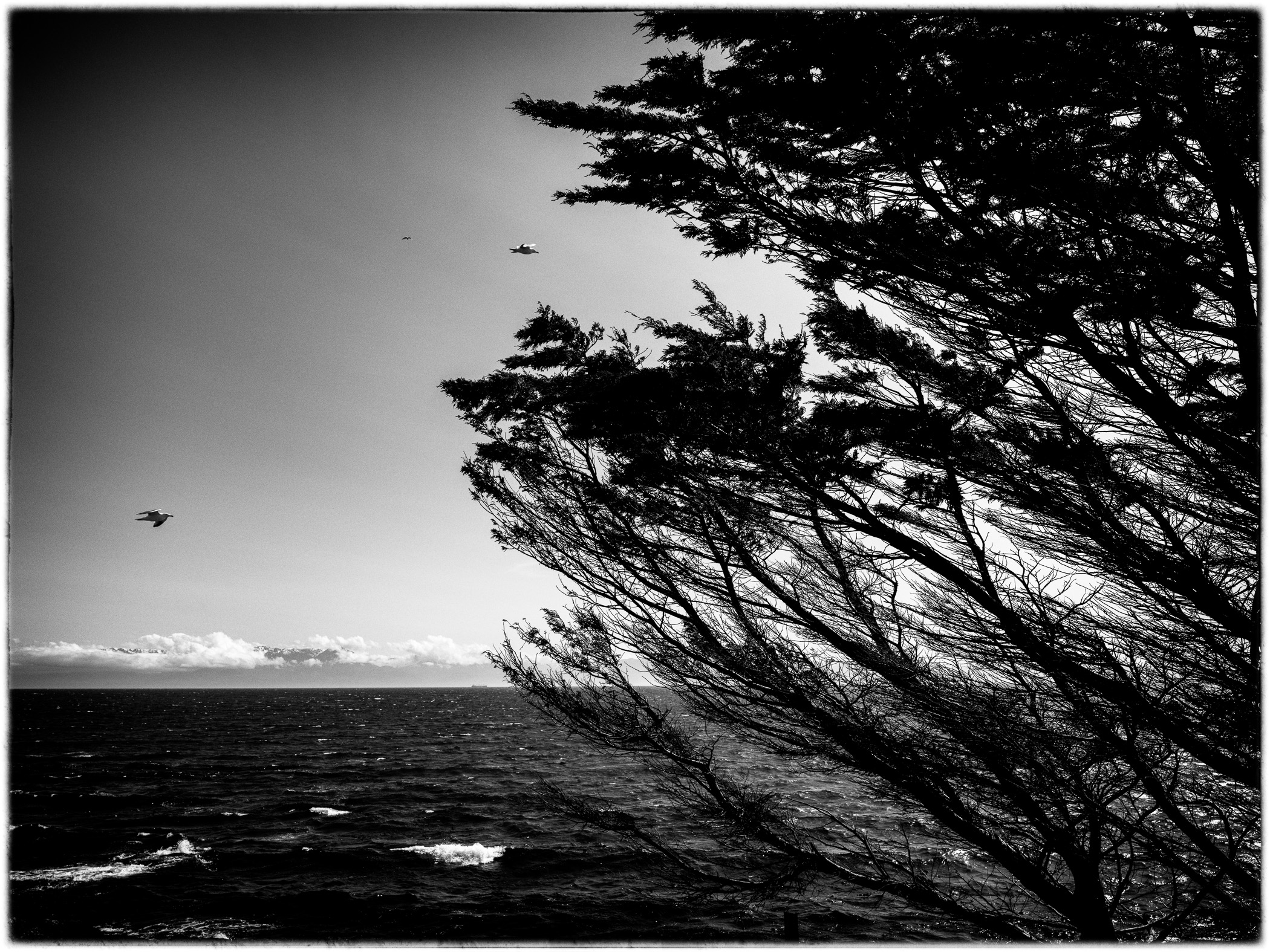
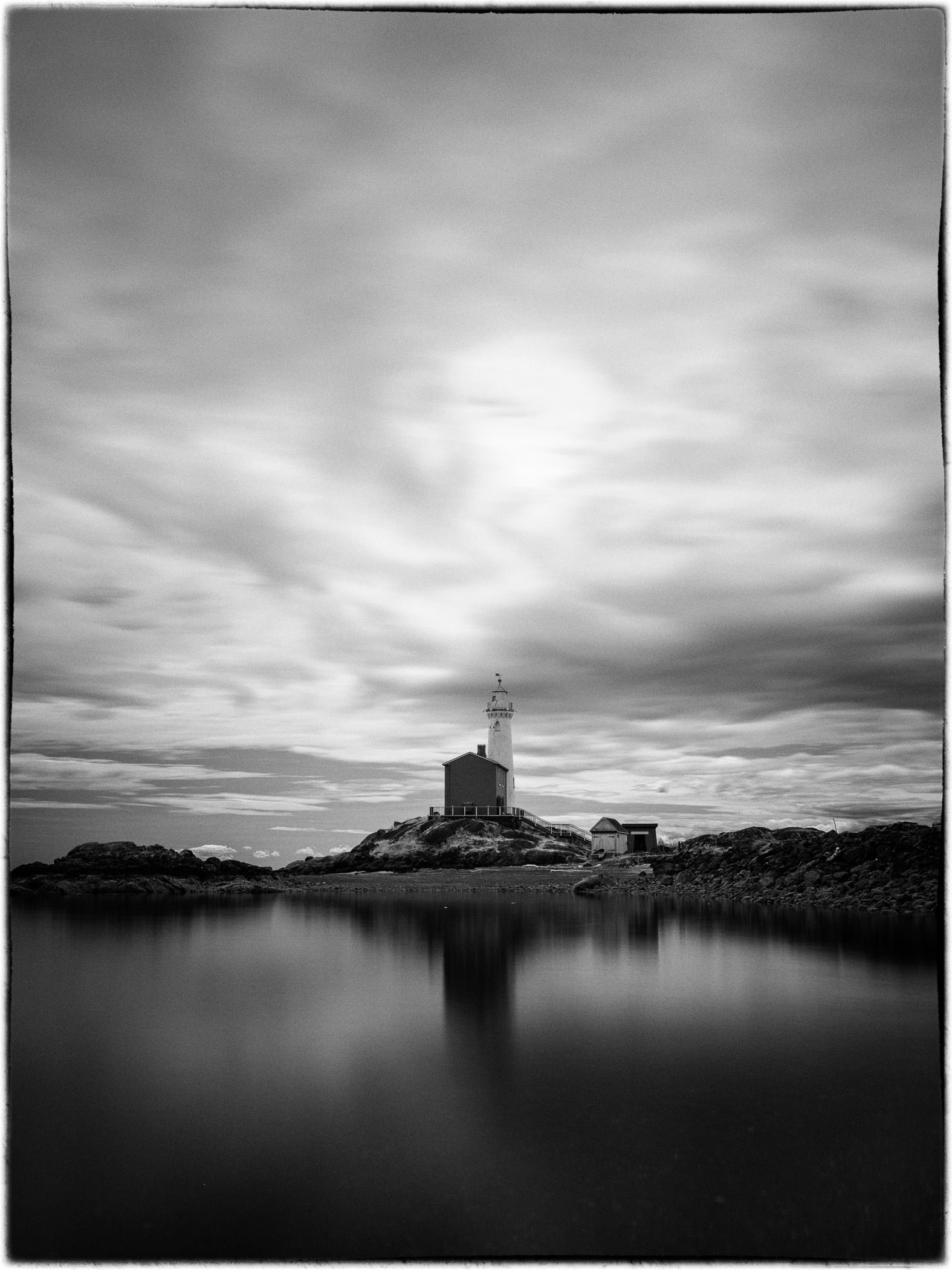



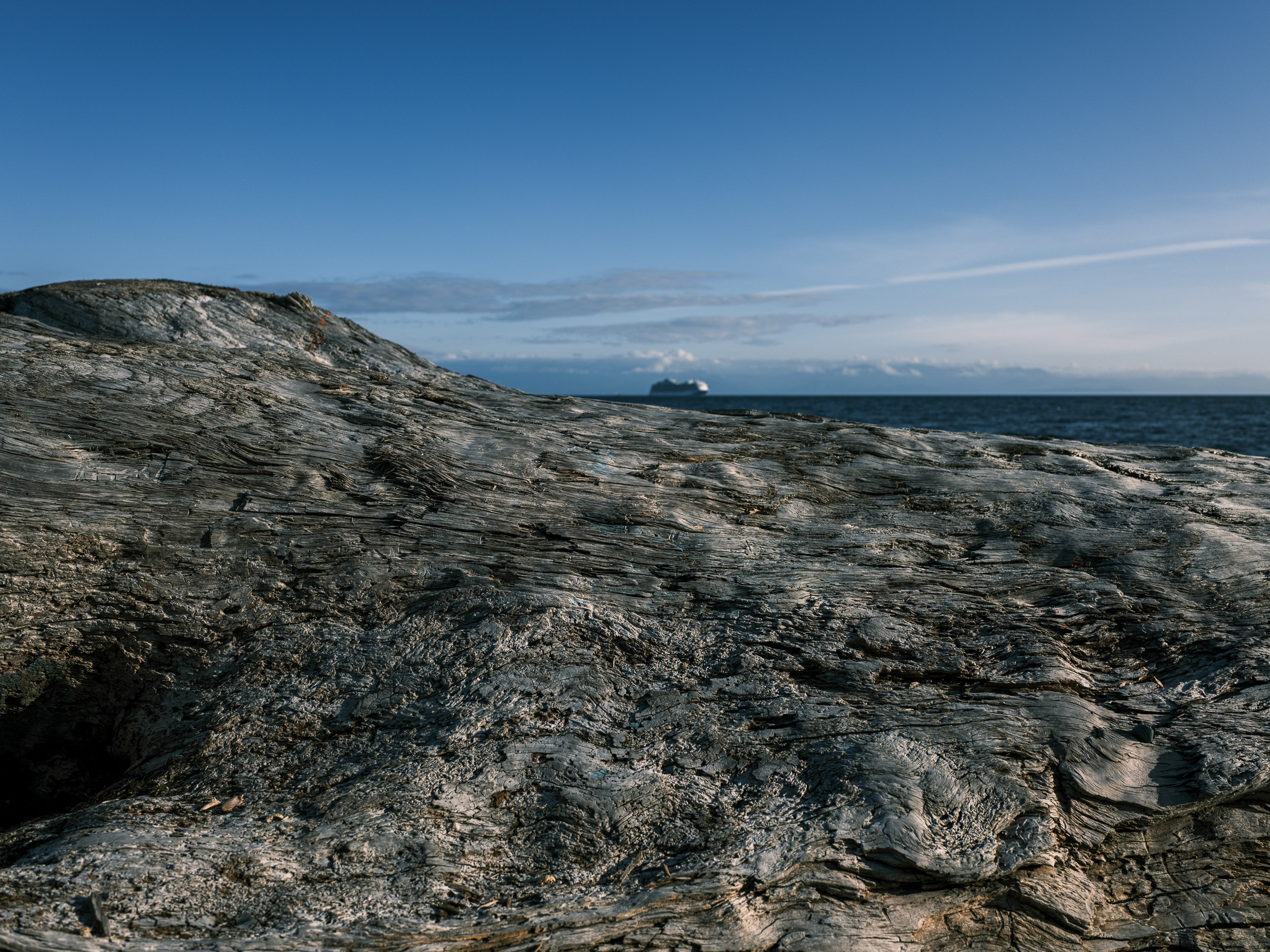


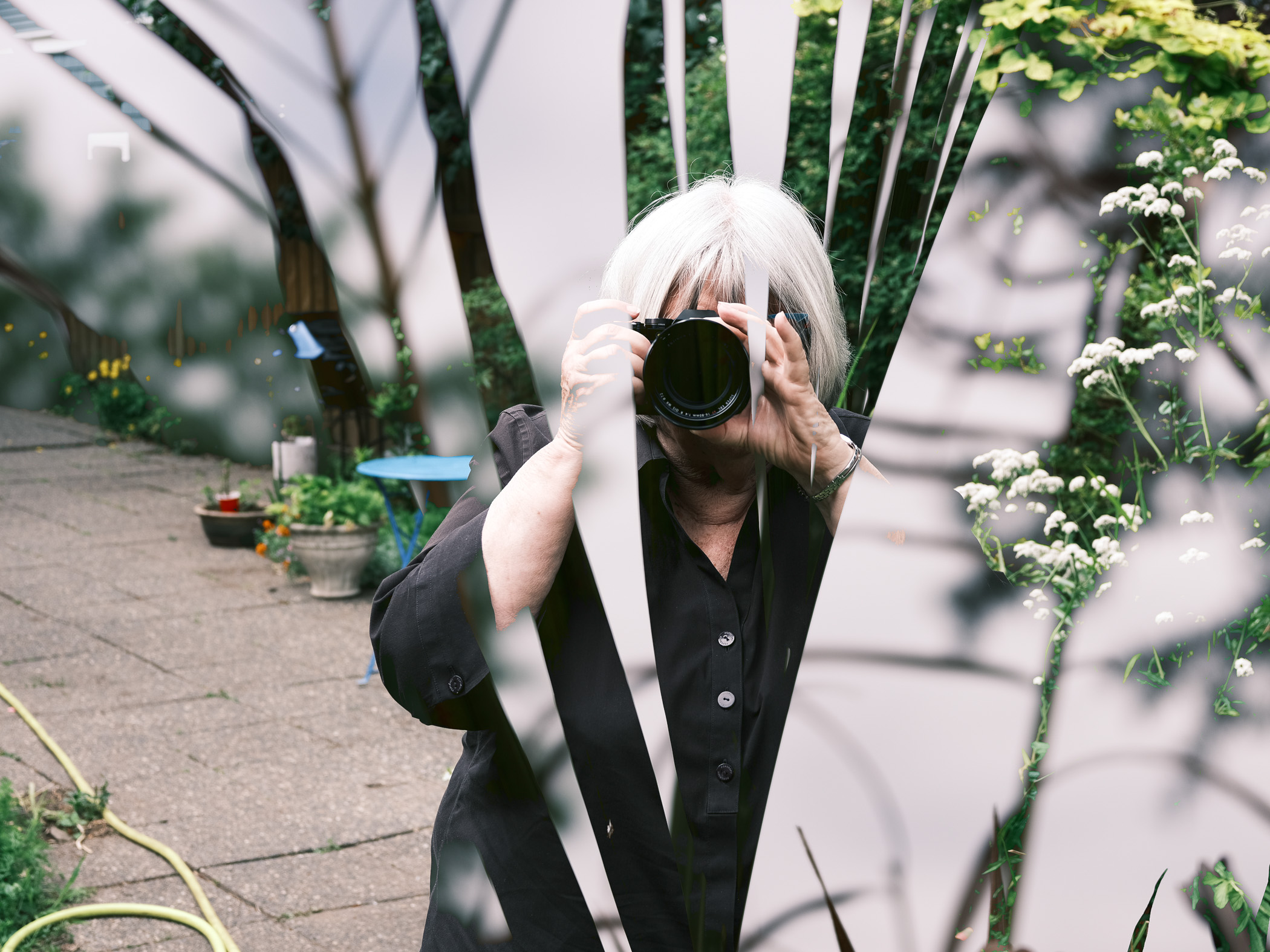
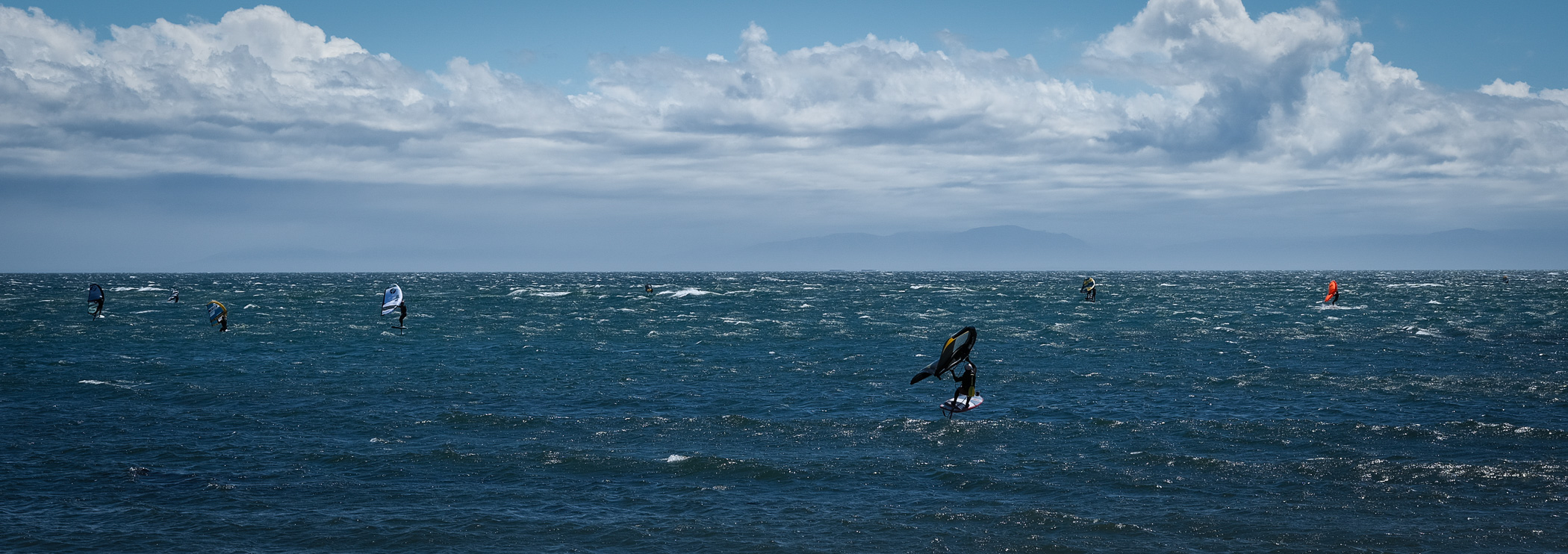
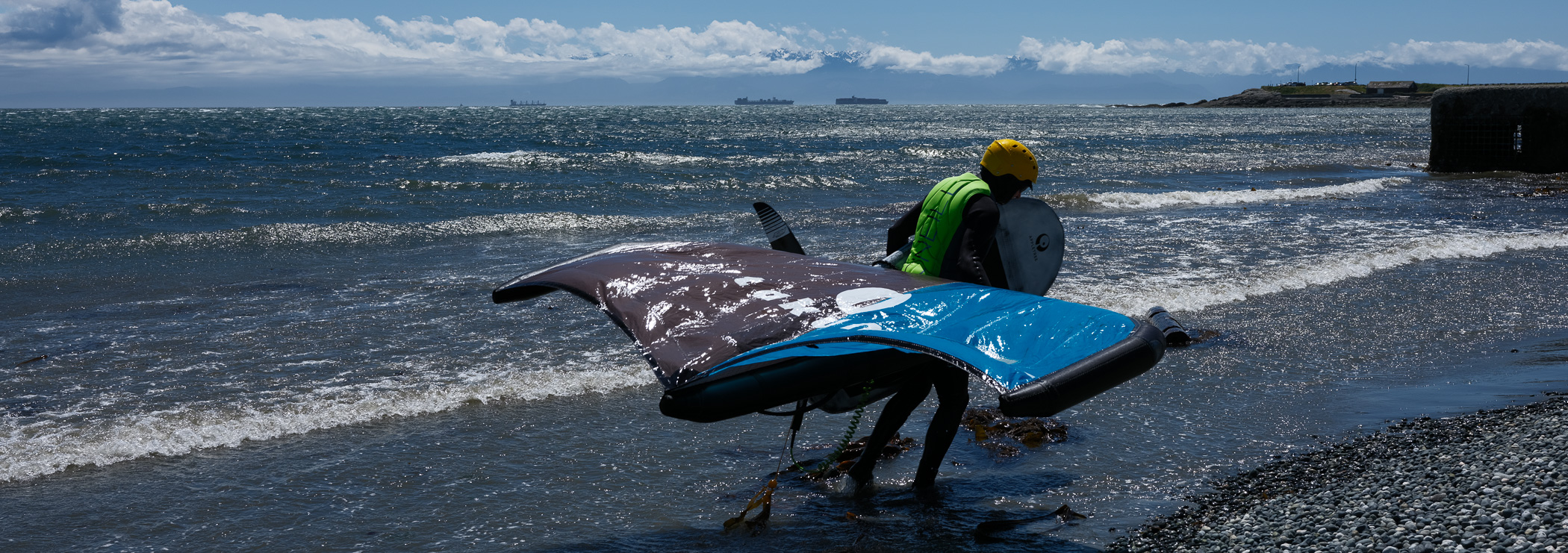
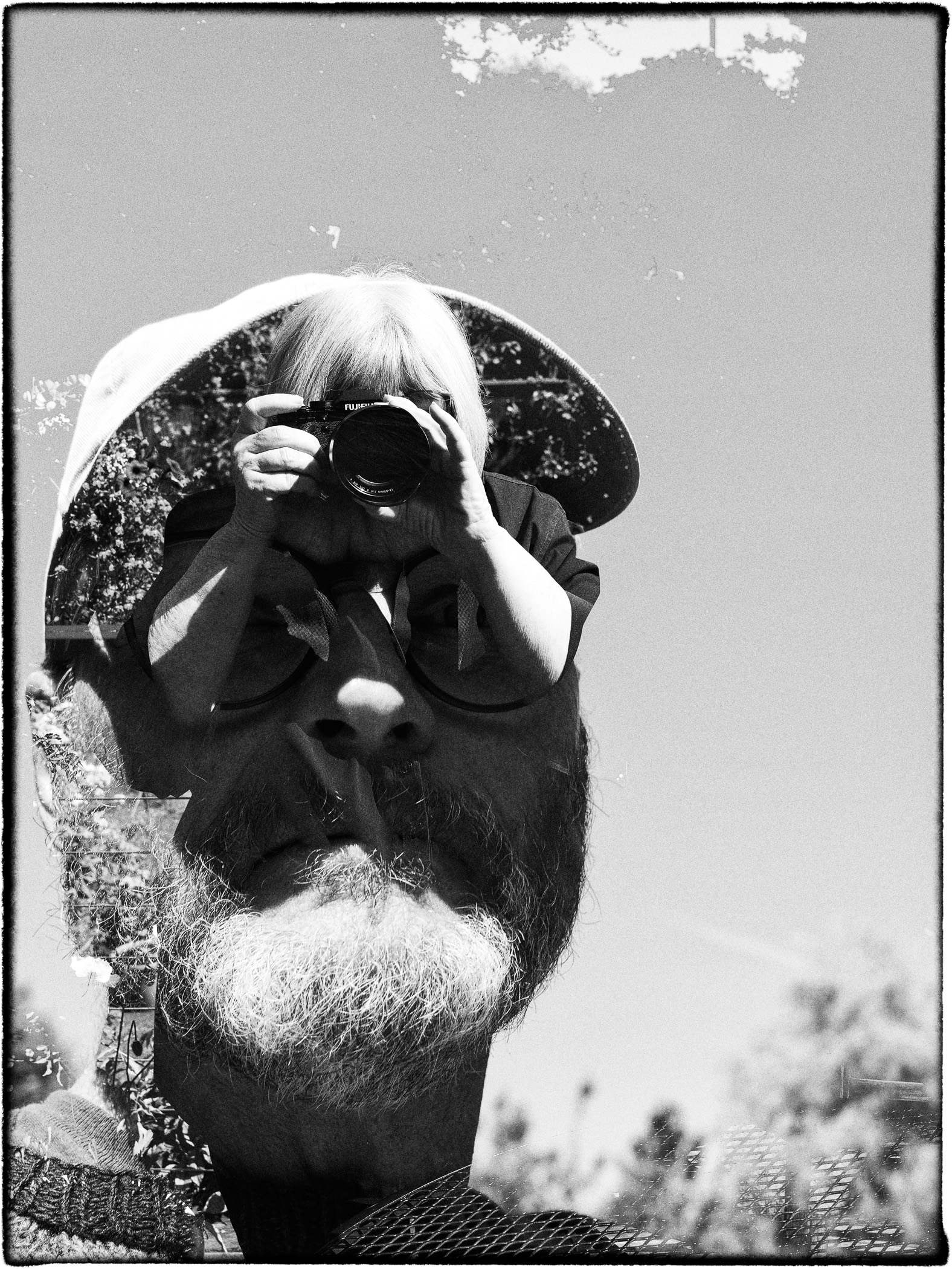

NB: Product photos captured with the GFX50S II, fronted with the Fujinon GF63mm f/2.8 lens. All other photos captured with the GFX100 RF. Double exposures were made in camera. The BW images with borders were edited with Silver Effects.
 DON CRAIG photography
3 responses to “Review: Fujifilm GFX100 RF”
Excellent review Don! I’ve had an email thread with a friend sitting in my inbox with doubts and desire as to whether this would finally tip me into medium format. Maybe I am a few steps closer now.
Kevin
Thanks Kevin. Fujifilm Canada has a demo program for GFX cameras: https://www.fujifilm-x.com/en-ca/gfx-demo/
Trying one out might get you even further down that path…
Ah now well that’s a slippery slope … that I might just take and enjoy… Thanks for pointing that out.
Cheers,
Kevin